Non-Destructive Testing of Steel and Cast Steel Elements (NDT)
Non-destructive testing (NDT) is a key technology in assessing the quality, safety and durability of steel and cast steel elements. These methods enable the detection of material defects and damage in structures without the need to dismantle or damage them. NDT allows for early detection of potential threats, which is of great importance in many industries, such as construction, automotive, energy and aviation. Saskers specializes in NDT testing of steel and cast steel in the building and construction industry.


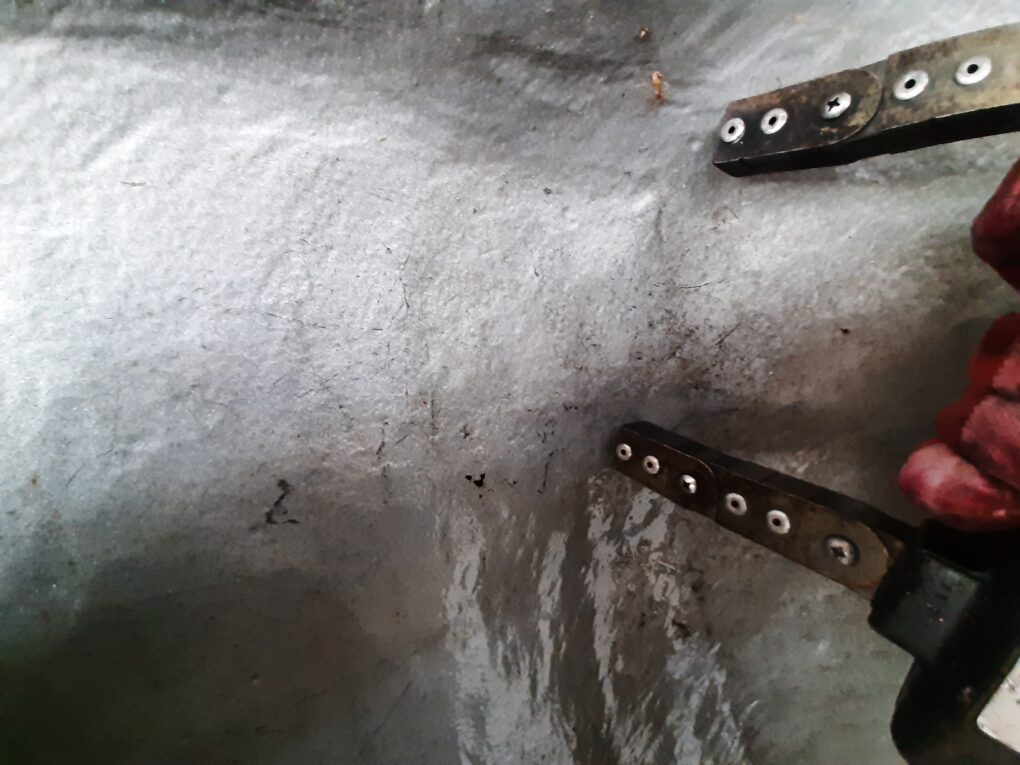
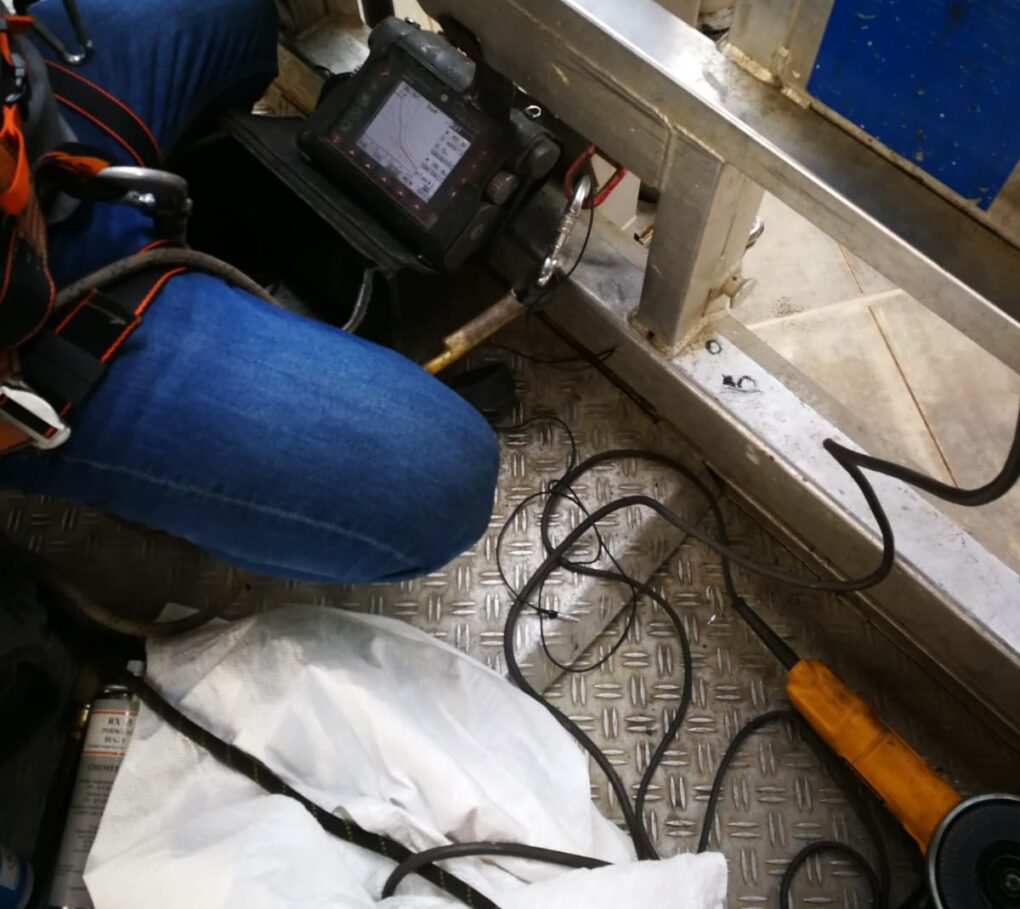
What is non-destructive testing?
Non-destructive testing is a set of diagnostic methods that allow for the assessment of the technical condition of materials and components without damaging them. They are used to detect defects such as cracks, corrosion, porosity or other defects that may affect the structural integrity of a given element.
Non-destructive testing methods
Depending on the type of material and the required precision, different techniques are used for non-destructive testing of steel and cast steel elements. The most popular methods include:
- Ultrasonic testing (UT) – Uses ultrasonic waves to detect internal material defects such as cracks, porosity or changes in the structure of the steel.
- Radiographic testing (RT) – Uses X-ray or gamma radiation to obtain an image of the interior of the material. This allows for the detection of internal discontinuities and assessment of the quality of welds.
- Magnetic leak testing (MT) – Used to detect surface cracks in ferromagnetic materials. It involves applying a magnetic field and using magnetic powder to identify defects.
- Visual Testing (VT) – One of the simplest methods, which involves carefully examining the surface of the element to detect visible defects and defects.
- Penetrant Method (PT) – Used to detect surface cracks and other defects that may be visible after applying an appropriate penetrant.
Benefits of Non-Destructive Testing
Non-destructive testing offers a number of benefits that contribute to improving the quality and safety of products and structures:
- Safety – early detection of defects allows for the prevention of failures and accidents.
- Savings – NDT allows for quick and effective diagnosis of problems, which allows for savings on repair and replacement costs.
- Environmental protection – thanks to these methods, there is no need to replace entire structural elements, which reduces the amount of industrial waste.
- Compliance with standards – NDT is compliant with international standards and regulations, which ensures high quality of tests and their results.
A Safe Future for Your Structure
Non-destructive testing of steel and cast steel elements is an effective tool in technical diagnostics and ensuring the reliability of materials. Thanks to the use of advanced methods, it is possible to quickly and precisely detect defects that may affect the safety and durability of the structure. Investing in NDT is an investment in the quality, safety and longevity of products.
In the event of damage, Saskers has an offer to repair damage and strengthen the steel structure in your investment. Please contact us by phone: +48 660 824 999
Who Uses Non-Destructive Testing of Steel Structures
Non-destructive testing of steel structures is useful throughout the entire life cycle of a facility. It is used by, among others:
- investors and facility owners
- general contractors and subcontractors
- steel structure manufacturers and prefabrication plants
- facility managers and administrators
- design offices and supervision inspectors
- maintenance and HSE departments
- welding and quality control teams
Scope of Services and Methods of Non-Destructive Testing for Steel and Cast Steel
We specialize in non-destructive testing (NDT) for the construction and structural engineering sectors. We support technical acceptance procedures, periodic inspections, post-incident diagnostics, and preparation for modernization.
The scope includes:
- objects: welds and nodes, plates, beams, columns, bracing, girders, walkways, masts
- stages: production, assembly, operation, repairs, and strengthening
- methods: UT, RT, MT, VT, PT for steel and cast steel
- additional services: selection of methods, testing plans, acceptance classes, repairs and strengthening after detection of non-conformities
Benefits for the client:
- operational safety and compliance with requirements
- reduction of downtime and emergency costs
- no need to dismantle elements
- data-based decisions with clear recommendations
Main NDT Techniques Used for Steel Structures
- UT – ultrasonic testing. Detection of cracks and discontinuities inside the material. Control of thickness and joint quality.
- RT – radiographic testing. Imaging of the interior of an element. Assessment of volumetric discontinuities and weld quality. Requires a controlled zone.
- MT – magnetic particle testing. Detection of surface and near-surface cracks in ferromagnetic materials.
- PT – penetrant testing. Detection of small cracks and leaks on the surface, also after painting with proper preparation.
- VT – visual testing. Initial and final inspection. Assessment of weld geometry and visible irregularities.
Procedure of Non-Destructive Testing on a Construction Site
- agreement on scope, acceptance standards, and testing plan
- verification of access and preparation of the surface
- designation of work zones and HSE rules. For RT, establishment of a controlled zone
- calibration and preliminary trials
- execution of tests according to procedures and inspection plan
- ongoing discussion of critical non-conformities with the client’s representative
- preliminary summary of results on the day of testing
- final report with conclusions and recommendations
Technical Requirements and Preparation of the Facility for NDT Testing
Proper preparation shortens the duration of work and increases the reliability of results. Below are the key requirements regarding access, HSE, and documentation.
Access to elements and HSE requirements
- safe access to testing locations, including scaffolding, platforms, or work at height
- clean, dry surface with contaminants and excessive coatings removed in the testing area
- adequate lighting and environmental conditions consistent with the testing method
- for RT: designated controlled zone and temporary restriction of access for unauthorized persons
- disconnection or securing of equipment near the work zone
- current workplace HSE procedures and supervision by authorized personnel
Documentation and declaration of material parameters
- drawings and models with the location of joints and a list of elements to be tested
- information on steel and cast steel grades, material certificates, and quality requirements
- history of repairs, loads, and previous inspections
- design requirements regarding acceptance classes and reference standards
- assembly plan and welding sequence, if it affects the scope of testing
What the Report and Recommendations Include After Non-Destructive Testing of Steel Structures
- description of the facility and the scope of performed tests
- applied methods, techniques, and parameters
- results with the location of discontinuities on sketches or photographs
- assessment of compliance with requirements and acceptance levels
- repair priorities and recommendations for strengthening and re-testing after repair
- operational recommendations and schedule for future inspections
- final conclusion supporting technical decisions and acceptance procedures
If non-conformities are detected, we ensure continuity of action. We offer repair of damage and strengthening of the structure followed by repeated NDT verification.
Consultation and Quotation for Non-Destructive Testing
Pricing is individual. The schedule and scope are determined during contact. A short consultation helps select the appropriate methods, acceptance classes, and testing plan.
To prepare an offer, the following information will be helpful:
- type of facility, drawings, and location of testing points
- specification of joints, material thickness, and required standards
- information about access and working conditions at the facility
- expected timeline, reporting mode, and required formalities
Well-planned non-destructive NDT testing reduces risk and extends the service life of a facility. It is a practical step toward safe and predictable operation of steel structures.

